





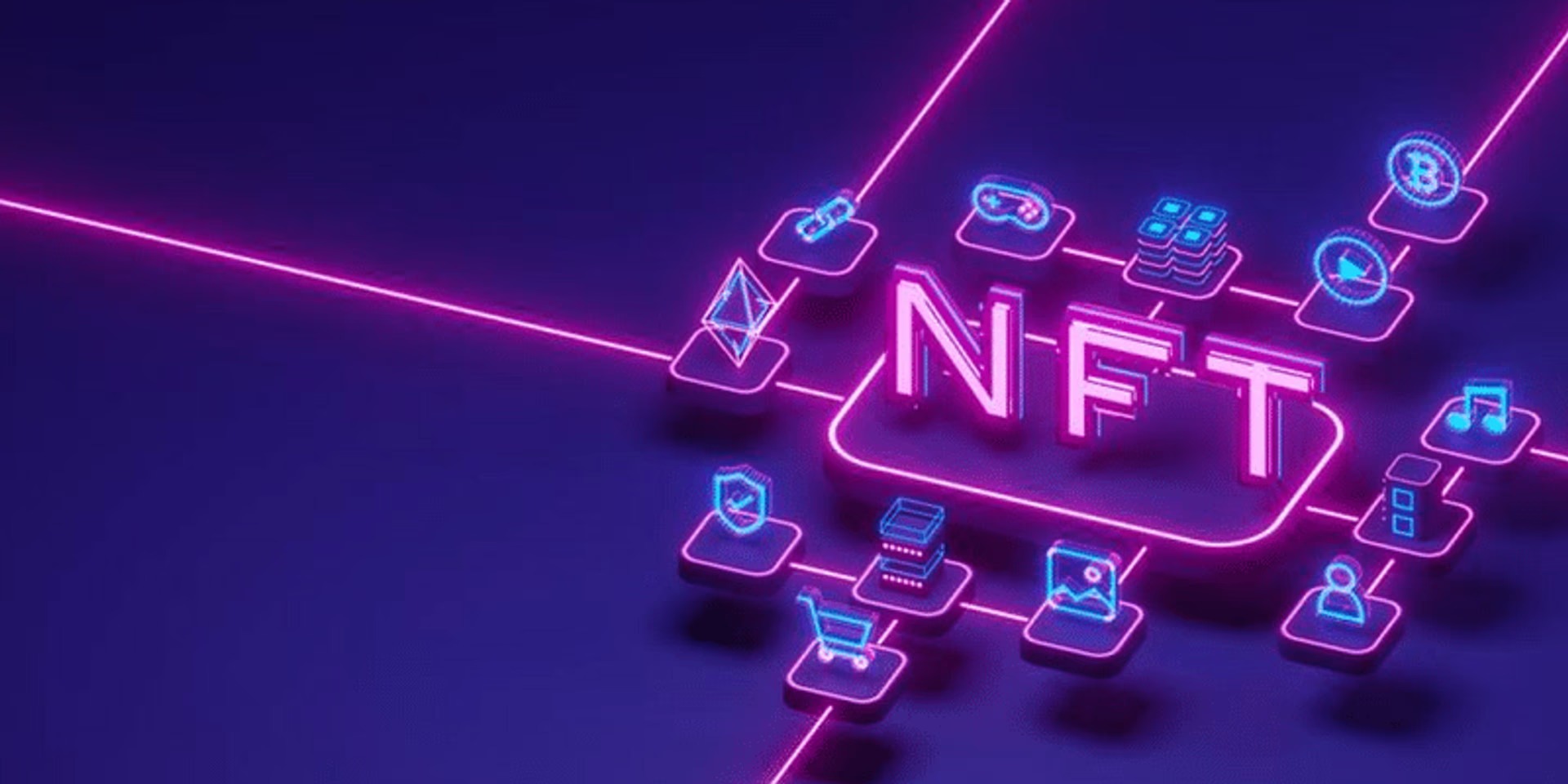
The burgeoning intersection of blockchain technology and gaming has given rise to “cryptogaming” and “NFT-based games,” fundamentally altering the traditional gaming paradigm. These innovative approaches leverage cryptocurrencies and Non-Fungible Tokens (NFTs) to introduce true digital ownership, verifiable scarcity, and novel economic models within virtual worlds.
At its core, cryptogaming integrates blockchain technology into the game’s mechanics and economy. This allows for transparent and secure transactions of in-game assets and currencies. Unlike traditional games like https://www.stellarspins.fun/en/online-pokies where in-game items are typically owned by the game developer and confined to a specific title, cryptogaming empowers players with genuine ownership. This is primarily facilitated by NFTs, which are unique digital tokens representing specific in-game items like characters, skins, weapons, virtual land, or collectibles. Each NFT is recorded on a blockchain, ensuring its authenticity, rarity, and verifiable ownership.
The “play-to-earn” (P2E) model is a defining characteristic of many NFT-based games. Here, players can earn cryptocurrency or NFTs by completing quests, winning battles, leveling up characters, or participating in various in-game activities. These earned digital assets often hold real-world value and can be traded, sold, or even used across different blockchain games, creating a decentralized player-driven economy. Popular examples include Axie Infinity, where players breed and battle NFT creatures, and Decentraland or The Sandbox, which allow players to buy and develop virtual land as NFTs.
The benefits for players are significant: true ownership of assets, potential for earning real income, enhanced transparency, and a greater sense of community involvement through decentralized governance. While the cryptogaming market is experiencing a period of maturation, with a focus shifting from speculative hype to sustainable models, the long-term forecast remains strong, with projections reaching USD 11.28 billion in 2025 and continued growth as infrastructure improves and major publishers continue to explore the technology. This convergence of gaming and blockchain is not merely a trend; it’s a fundamental shift towards more player-centric and economically empowering digital experiences.


